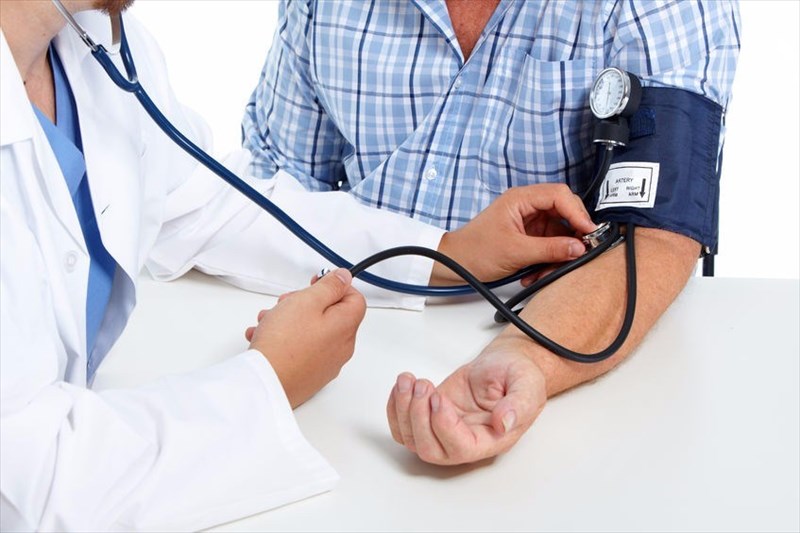
High blood pressure is something many people live with every day without realizing it.
Unlike other conditions that cause immediate discomfort, high blood pressure often develops slowly over time. Because of this, it can go unnoticed for years while still affecting the body.
What Is High Blood Pressure?
Blood pressure refers to the force of blood pushing against the walls of your arteries.
Each time your heart beats, it pushes blood through your vessels. When the pressure inside those vessels stays elevated over time, it places extra strain on both the heart and the blood vessels themselves.
Over time, this increased pressure can begin to affect how well your cardiovascular system functions.
Why High Blood Pressure Often Goes Unnoticed
One of the most important things to understand about high blood pressure is that it typically does not cause obvious symptoms.
Many people expect that if something is wrong, they will feel it. With high blood pressure, that is often not the case.
You can feel completely fine while your blood pressure remains elevated. This is why routine monitoring is so important, even if you feel well.
Possible Symptoms (When They Do Occur)
Although many people do not experience symptoms, some individuals may notice:
- Headaches
- Dizziness or lightheadedness
- Blurred vision
- Shortness of breath
- Chest discomfort
These symptoms are not always present and can be caused by many different conditions, but they should not be ignored.
Why High Blood Pressure Matters
Over time, uncontrolled high blood pressure can affect multiple systems in the body.
It increases the risk of:
- Heart attack
- Stroke
- Kidney disease
- Vision problems
- Damage to blood vessels
Because these complications develop over time, early identification plays a major role in prevention.
When to Be Concerned
If your blood pressure has not been checked recently, or if you have been told it was elevated in the past, this is something that should be followed up on.
If you begin experiencing symptoms such as chest pain, severe headache, vision changes, or shortness of breath, this may require immediate medical attention.
What You Can Do
Checking your blood pressure is simple and widely available.
Many clinics, pharmacies, and community locations offer blood pressure checks. Following up with a primary care provider allows for proper evaluation and guidance if your numbers are elevated.
In many cases, high blood pressure can be managed effectively once it is identified.