What Is Actually Happening in the Body
Hyperlipidemia means there are elevated levels of fats in the blood, most commonly cholesterol and triglycerides.
Cholesterol itself is not the problem.
The issue is how it behaves inside the blood vessels.
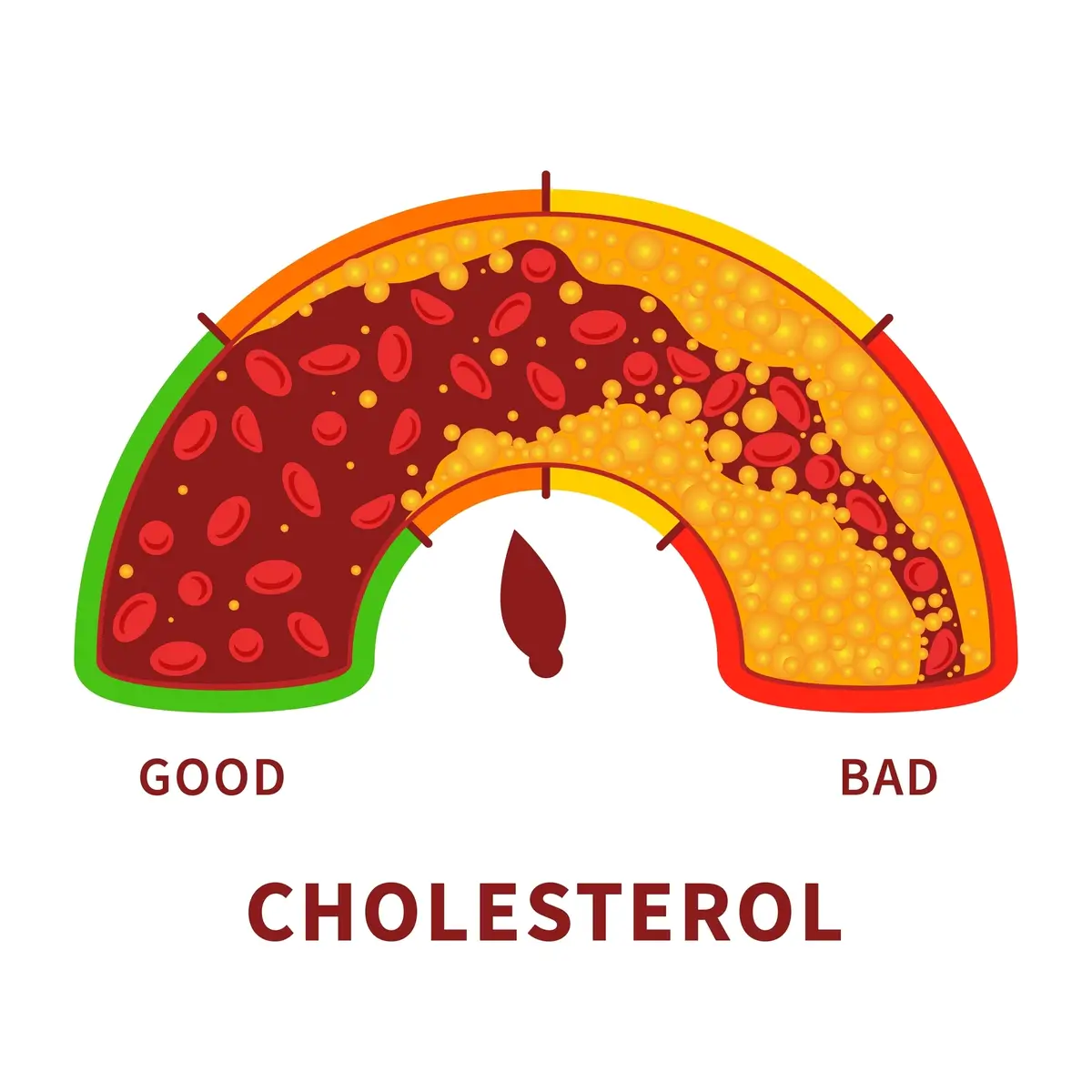
Low-density lipoprotein, often referred to as LDL, can deposit into the walls of arteries.
Over time, this builds up into plaque.
That plaque narrows the arteries and makes it harder for blood to flow through.
It also creates an unstable surface where clots can form.
Why This Is Called a Silent Condition
Most people with high cholesterol feel completely normal.
There are no early warning symptoms.
No discomfort that signals something is wrong.
This is why it often goes untreated.
It does not create urgency on its own.
What This Leads To Over Time
The concern is not the cholesterol level itself.
It is what it causes.
As plaque builds, arteries become narrower and less flexible.
This increases the risk of:
- Heart attack
- Stroke
- Peripheral artery disease
These events occur when blood flow becomes critically reduced or suddenly blocked.
What People Commonly Misunderstand
Many people assume that if they feel fine, their cholesterol is not a problem.
That is not how this condition works.
Others assume diet alone is always enough to correct it.
While diet plays a role, genetics, metabolism, and other health conditions also affect cholesterol levels.
Some individuals will require medication even with healthy habits.
Who Is at Higher Risk
Certain factors increase the likelihood of developing hyperlipidemia:
- Family history of high cholesterol
- High blood pressure
- Diabetes
- Obesity
- Smoking
- Sedentary lifestyle
These factors often overlap, increasing overall risk.
How This Progresses
This condition develops over years.
Plaque slowly builds inside the arteries.
There is no sudden shift.
No clear turning point.
Until one day, blood flow is significantly limited or blocked.
That is when symptoms appear, and by that point, the process has already been present for a long time.
When This Becomes More Serious
Hyperlipidemia becomes more serious when it leads to complications.
Signs of this may include:
- Chest pain with activity
- Shortness of breath
- Pain in the legs with walking
However, many people have no symptoms until a major event occurs.
When to Monitor vs When to Be Seen
Because there are no reliable symptoms, monitoring requires lab testing.
Routine blood work is how this condition is identified.
If levels are elevated, follow-up and management are important to reduce long-term risk.
When to Go to the Emergency Room
Hyperlipidemia itself is not an emergency.
However, complications are.
Seek immediate care if there are symptoms such as:
- Chest pain or pressure
- Sudden weakness or numbness
- Difficulty speaking
- Shortness of breath
These may indicate a heart attack or stroke.