What Is Actually Happening in the Body
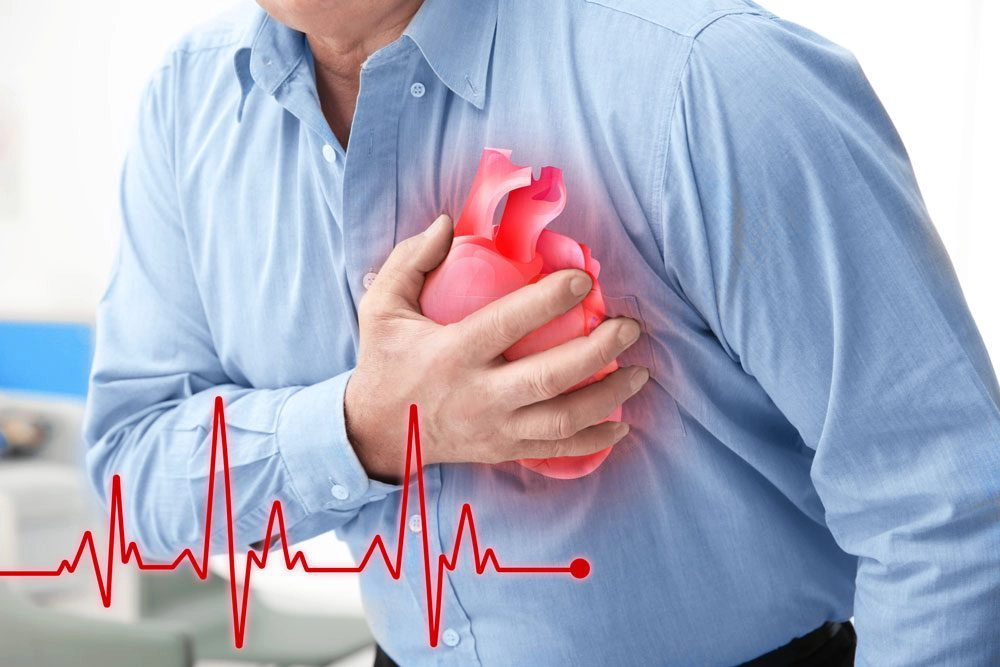
A heart attack occurs when blood flow to part of the heart muscle is blocked.
The most common cause is buildup of plaque inside the coronary arteries. That plaque can rupture, which causes the body to form a clot. That clot can partially or completely block blood flow.
There are other ways this can happen.
In some cases, a clot can form elsewhere in the body and travel to the heart. This is called an embolism.
No matter how it happens, the result is the same.
Blood flow is reduced or stopped.
The heart muscle does not get the oxygen it needs.
Why Time Matters
The heart muscle cannot survive long without oxygen.
Damage begins quickly when blood flow is blocked.
The longer blood flow is not getting to the heart, the more damage occurs.
Without blood flow being returned to the heart, that injury becomes permanent damage.
This is why treatment focuses on opening the blocked artery as fast as possible.
Time is what determines how much of the heart can be saved.
What This Usually Looks Like
Heart attack symptoms are not always dramatic, but there are common patterns.
- Chest pressure, tightness, or heaviness
- Pain or discomfort that may move into the arm, jaw, neck, or back
- Shortness of breath
- Nausea or vomiting
- Sweating
- Dizziness or lightheadedness
Some people present with what is often referred to as the four P’s:
- Pain
- Pale appearance
- Pulse changes or a weak or rapid pulse
- Perspiration or sweating
Symptoms may come on suddenly or build gradually.
What People Commonly Misinterpret
Heart attack symptoms are often mistaken for something less serious.
Indigestion. Acid reflux. Anxiety. Muscle strain.
Milder symptoms are more likely to be ignored.
Another common pattern is waiting to see if symptoms go away.
If symptoms improve briefly, it can create a false sense of relief.
That does not mean the problem is gone.
It can mean the blockage is changing, not resolving.
Who Is at Higher Risk
Certain factors increase the risk of a heart attack over time:
- Smoking
- High blood pressure
- High cholesterol
- Diabetes
- Obesity
- Lack of physical activity
These do not guarantee a heart attack, but they significantly increase risk.
How This Progresses
A heart attack does not stay the same.
It progresses based on how long blood flow is reduced.
Early on, the heart muscle is under stress.
As time goes on, that stress turns into injury.
Without blood flow being returned, that injury becomes permanent damage.
This is why even mild symptoms can still be serious.
When This Becomes More Serious
- Symptoms lasting more than a few minutes
- Symptoms that go away and come back
- Increasing pressure or discomfort
- Symptoms with shortness of breath, nausea, or sweating
These are not signs to wait.
When to Monitor vs When to Be Seen
Symptoms that could be related to the heart should not be monitored at home.
There is no safe waiting period when the heart may be involved.
Even if symptoms are mild or uncertain, they should be taken seriously.