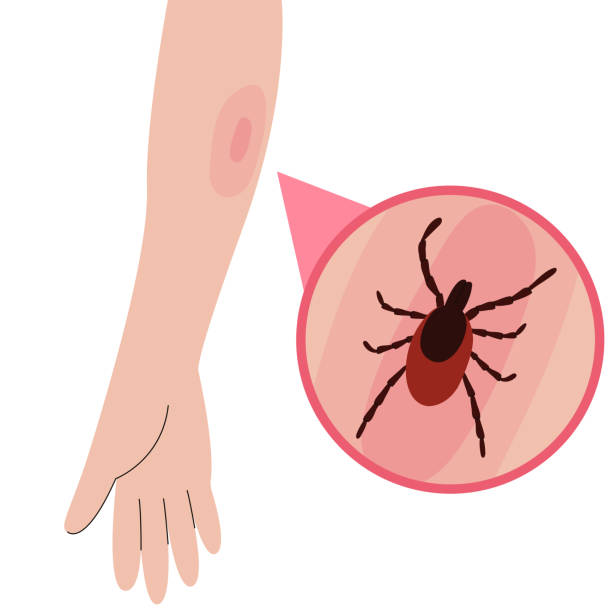
A tick bite occurs when a tick attaches to the skin and may potentially transmit infectious organisms into the bloodstream.
What Is Actually Happening in the Body
Ticks feed by attaching their mouthparts into the skin and drawing blood over hours or days.
During feeding, some ticks can transmit bacteria, viruses, or parasites into the body.
These organisms enter the bloodstream and may spread to various organs and tissues.
The immune system responds by activating inflammation and attempting to fight the infection.
Different tick-borne illnesses affect the body differently.
Lyme disease may initially involve the skin and later affect joints, nerves, and the heart.
Rocky Mountain spotted fever can damage blood vessels throughout the body.
Ehrlichiosis and anaplasmosis may affect white blood cells and immune function.
Some individuals develop only mild symptoms, while others experience severe systemic illness depending on the organism involved and how quickly treatment begins.
What This Usually Looks Like
Many tick bites initially appear as small red bumps or mild skin irritation.
Some individuals never notice the tick attachment itself.
Lyme disease may produce a gradually expanding rash, sometimes with a bullseye appearance, though not all rashes look this way.
Fever, fatigue, headache, muscle aches, chills, joint pain, or swollen lymph nodes may develop days later.
Rocky Mountain spotted fever may cause fever, severe headache, rash, nausea, and muscle pain.
Neurological symptoms such as facial weakness, numbness, or confusion may occur in more advanced illness.
Some infections cause widespread body aches and flu-like symptoms without obvious rash.
What People Commonly Misinterpret
Many people assume they are safe if they do not see a rash, but some tick-borne illnesses develop without obvious skin changes.
Another misconception is believing ticks must be attached for a long time to transmit every disease. Transmission timing varies depending on the organism.
Flu-like symptoms during warm-weather months are sometimes mistaken for viral illness when tick-borne infection may actually be developing.
People also frequently underestimate how small ticks can be, especially immature ticks called nymphs that are easy to miss.
Not every tick carries disease, but symptoms after a tick bite should still be monitored carefully.
How This Progresses
Some tick bites cause only local irritation and heal without complications.
However, untreated tick-borne infections may progressively spread through the body.
Lyme disease may eventually affect joints, nerves, and the heart if untreated.
Rocky Mountain spotted fever can rapidly damage blood vessels and organs.
Neurological complications, heart rhythm abnormalities, chronic joint inflammation, or severe systemic illness may develop depending on the infection involved.
The earlier tick-borne illness is recognized and treated, the lower the risk of long-term complications.
Risk Factors or Common Triggers
Exposure to wooded areas, hiking trails, tall grass, hunting areas, and outdoor work environments increases risk.
Ticks commonly attach in hidden body areas such as the scalp, groin, armpits, behind the knees, and waistline.
Warm-weather months increase exposure risk in many regions.
Pets may carry ticks into homes.
Failure to use protective clothing or insect repellent increases susceptibility.
Longer tick attachment time may increase transmission risk for some infections.
When This Becomes More Serious
Tick bites become more concerning when fever, spreading rash, severe headache, or neurological symptoms develop.
Joint swelling, facial drooping, chest pain, shortness of breath, or palpitations may indicate spreading infection.
Confusion, severe weakness, vomiting, or difficulty breathing suggest severe systemic illness requiring urgent evaluation.
Rocky Mountain spotted fever can become life-threatening rapidly if untreated.
Any worsening symptoms following a tick bite deserve careful medical assessment.
When to Monitor vs When to Be Seen
Mild local irritation without systemic symptoms may be monitored initially after proper tick removal.
Medical evaluation is appropriate for fever, rash, body aches, fatigue, neurological symptoms, or joint pain after a tick bite.
Individuals unable to fully remove a tick or uncertain how long it was attached should seek guidance.
Evaluation may include symptom monitoring, laboratory testing, or preventive treatment depending on the situation and regional disease risk.
Monitoring symptoms for several weeks after a bite is important because some illnesses develop gradually.
When to Go to the Emergency Room
Emergency care is necessary for confusion, severe headache, difficulty breathing, chest pain, fainting, seizures, or neurological symptoms after a tick bite.
High fever with rash, severe weakness, or rapidly worsening illness requires immediate medical attention.
Signs of severe allergic reaction such as facial swelling or airway difficulty also require emergency care.
Any rapidly progressive illness following a tick bite should receive urgent emergency evaluation.