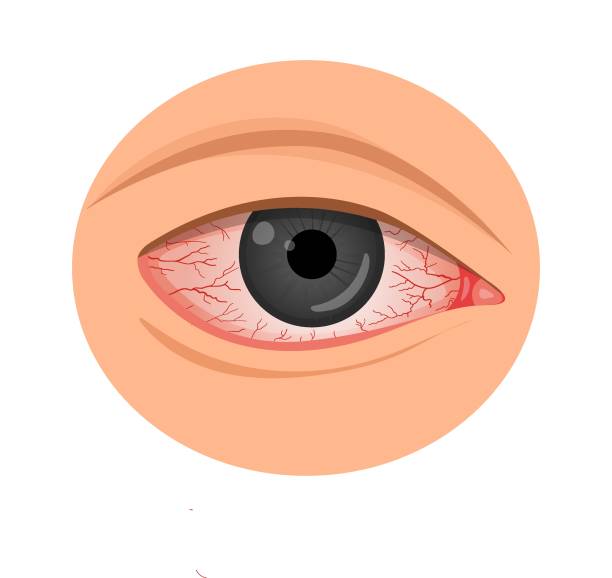
Pink eye occurs when inflammation affects the conjunctiva, causing redness, irritation, tearing, and discharge from the eye.
What Is Actually Happening in the Body
The conjunctiva is a thin membrane that protects and lubricates the surface of the eye.
When this tissue becomes irritated or infected, blood vessels within it expand and inflammatory cells move into the area.
This increased blood flow causes the eye to appear pink or red.
Viral infections often trigger watery discharge and widespread inflammation.
Bacterial infections may produce thicker yellow or green drainage as immune cells and bacteria accumulate.
Allergic conjunctivitis occurs when the immune system overreacts to allergens such as pollen, dust, or pet dander.
Chemical irritation, smoke, chlorine, contact lenses, or foreign particles may also inflame the conjunctiva.
The body responds by increasing tearing, mucus production, and inflammatory activity to protect the eye surface.
What This Usually Looks Like
Pink eye commonly causes redness involving the white part of the eye.
The eye may feel irritated, gritty, itchy, or mildly burning.
Watery discharge is common with viral or allergic forms.
Bacterial conjunctivitis often causes thicker discharge that may crust the eyelids shut, especially after sleeping.
Some individuals develop swelling of the eyelids or sensitivity to light.
Symptoms may begin in one eye and spread to the other.
Allergic conjunctivitis frequently affects both eyes simultaneously and causes intense itching.
Vision usually remains mostly normal aside from temporary blurring from discharge or tearing.
What People Commonly Misinterpret
Many people assume all red eyes are contagious infections, but allergies, dryness, chemical irritation, and other inflammatory conditions may cause similar redness.
Another misconception is believing thick discharge always confirms bacterial infection. Viral infections can also produce mucus and crusting.
People often underestimate the importance of eye pain or vision changes. Significant pain and decreased vision are not typical for simple conjunctivitis and may suggest more dangerous eye disease.
Contact lens wearers sometimes continue wearing lenses despite symptoms, which increases the risk of serious corneal infection.
Some individuals self-treat repeatedly without evaluation even when symptoms worsen or fail to improve.
How This Progresses
Mild viral conjunctivitis often improves gradually over several days to weeks.
Bacterial infections may worsen without treatment and occasionally spread deeper into surrounding tissues.
Allergic conjunctivitis may fluctuate depending on allergen exposure.
Repeated rubbing can worsen inflammation and irritation.
Severe untreated infections may occasionally involve the cornea, affecting vision more seriously.
Contact lens-related infections can progress rapidly and potentially threaten vision if untreated.
Poor hygiene and frequent eye touching may spread contagious forms to others or to the opposite eye.
Risk Factors or Common Triggers
Viral respiratory infections are among the most common causes.
Close contact with infected individuals increases transmission risk.
Allergies, seasonal pollen exposure, and pet dander commonly trigger allergic conjunctivitis.
Contact lens use increases risk for irritation and bacterial infection.
Swimming pools, smoke exposure, chemicals, and eye rubbing may irritate the conjunctiva.
Children in schools and daycare settings commonly spread viral conjunctivitis because of close contact and shared surfaces.
When This Becomes More Serious
Pink eye becomes more concerning when severe pain, swelling, light sensitivity, or vision changes develop.
Corneal involvement may cause sharp pain, blurred vision, or difficulty tolerating light.
Deep eye infections, glaucoma, and other serious eye disorders may initially resemble conjunctivitis.
Significant swelling around the eye may indicate spreading infection involving surrounding tissues.
Symptoms in contact lens users require careful evaluation because corneal ulcers can progress quickly and threaten vision.
Persistent or worsening symptoms despite treatment also require reassessment.
When to Monitor vs When to Be Seen
Mild viral or allergic conjunctivitis may improve with hygiene measures, artificial tears, and avoiding irritants.
Medical evaluation is appropriate for persistent redness, thick discharge, swelling, worsening symptoms, or suspected bacterial infection.
Children, contact lens users, and individuals with weakened immune systems should often seek evaluation earlier.
Evaluation may include examination of the cornea, eyelids, and deeper eye structures depending on symptoms.
Symptoms lasting beyond several days without improvement should not be ignored.
When to Go to the Emergency Room
Emergency care is necessary for severe eye pain, sudden vision loss, inability to open the eye, significant trauma, or intense light sensitivity.
Rapid swelling around the eye, fever with eye swelling, or severe headache associated with eye symptoms require urgent evaluation.
Chemical exposure to the eye should receive immediate emergency care.
Any rapidly worsening eye symptoms or major vision changes should prompt emergency medical attention immediately.