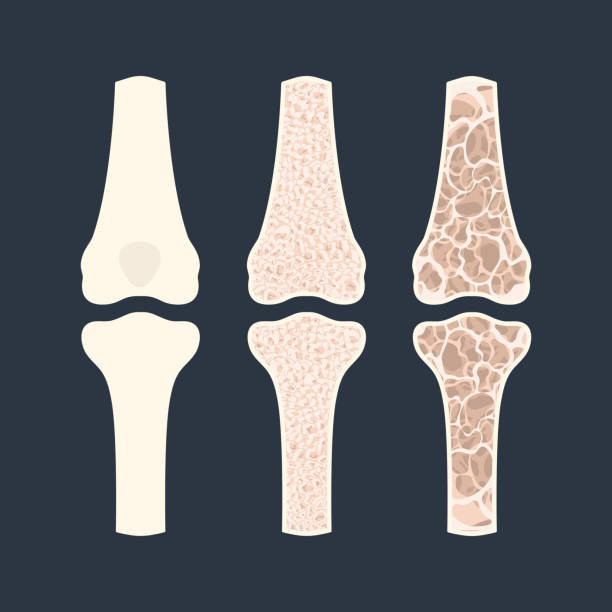
Osteoporosis is a progressive bone disease that weakens bone density and increases fracture risk throughout the body.
What Is Actually Happening in the Body
Bone constantly undergoes remodeling, a process where old bone tissue is broken down and replaced with new bone.
During childhood and early adulthood, the body usually builds bone faster than it loses it.
As people age, this balance gradually shifts.
In osteoporosis, bone breakdown exceeds bone formation, causing the internal structure of bone to become thinner and weaker.
Microscopic spaces within the bone enlarge, reducing overall strength and stability.
Hormones such as estrogen and testosterone help regulate bone maintenance, which is why hormonal changes significantly affect osteoporosis risk.
Calcium, vitamin D, physical activity, and overall health also influence bone remodeling.
As bone density declines, bones become increasingly fragile and prone to fracture, especially in the hips, spine, wrists, and ribs.
What This Usually Looks Like
Osteoporosis often causes no symptoms during its early stages.
Many individuals remain unaware they have bone loss until a fracture occurs.
Fragility fractures may happen after relatively minor falls or even routine movements.
Spinal compression fractures may cause sudden back pain, loss of height, or a stooped posture over time.
Some individuals notice gradual height loss or worsening curvature of the spine.
Hip fractures are especially serious and may significantly impair mobility and independence.
Bone pain itself is usually not a prominent symptom unless fractures develop.
What People Commonly Misinterpret
Many people believe osteoporosis is simply a normal part of aging, but significant bone loss is a medical condition associated with increased fracture risk and disability.
Another misconception is assuming only women develop osteoporosis. Men also experience bone loss, especially with aging, low testosterone, chronic illness, or long-term steroid use.
People frequently underestimate the seriousness of compression fractures because they may initially resemble muscle strain or ordinary back pain.
Some individuals think calcium supplements alone completely prevent osteoporosis, but bone health also depends on hormones, exercise, vitamin D, nutrition, and overall medical health.
Because osteoporosis develops silently, many individuals do not seek evaluation until fractures already occur.
How This Progresses
Bone loss usually develops gradually over many years.
Without intervention, bones continue weakening and fracture risk steadily increases.
Spinal compression fractures may accumulate over time and alter posture, breathing mechanics, and mobility.
Hip fractures can lead to prolonged immobility, surgery, loss of independence, and increased risk of complications such as blood clots or pneumonia.
Repeated fractures may create chronic pain and functional decline.
The earlier osteoporosis is identified, the greater the opportunity to slow progression and reduce fracture risk.
Risk Factors or Common Triggers
Aging is one of the strongest risk factors.
Postmenopausal women are especially vulnerable because declining estrogen accelerates bone loss.
Family history increases susceptibility.
Low body weight, smoking, heavy alcohol use, poor nutrition, and physical inactivity contribute significantly.
Vitamin D deficiency and inadequate calcium intake impair bone maintenance.
Certain medications including long-term steroids may dramatically weaken bones.
Chronic illnesses affecting hormones, digestion, kidneys, or inflammation may also increase risk.
When This Becomes More Serious
Osteoporosis becomes more dangerous once fractures occur.
Hip fractures are particularly serious because they often require surgery and prolonged rehabilitation.
Spinal fractures may compress nerves, impair posture, and reduce lung capacity.
Repeated falls and fractures increase disability risk significantly.
Severe osteoporosis may eventually impair mobility, independence, and quality of life.
Any fracture occurring from relatively minor trauma may indicate significant underlying bone weakness.
When to Monitor vs When to Be Seen
Individuals with osteoporosis risk factors should discuss bone health with a healthcare provider even before symptoms occur.
Bone density testing may help identify early bone loss.
Evaluation is especially important after menopause, prolonged steroid use, unexplained fractures, or significant height loss.
Preventive measures may include exercise, nutrition optimization, smoking cessation, vitamin D management, and medications when appropriate.
Persistent back pain, posture changes, or fractures after minor injury warrant medical assessment promptly.
When to Go to the Emergency Room
Emergency care is necessary for suspected hip fractures, inability to bear weight, severe sudden back pain after injury, or major falls causing deformity or immobility.
Head injuries from falls require immediate evaluation, especially in older adults.
Severe pain, numbness, weakness, or neurological symptoms after fractures may indicate spinal involvement.
Any fall causing inability to move normally or severe worsening pain should receive emergency medical attention.