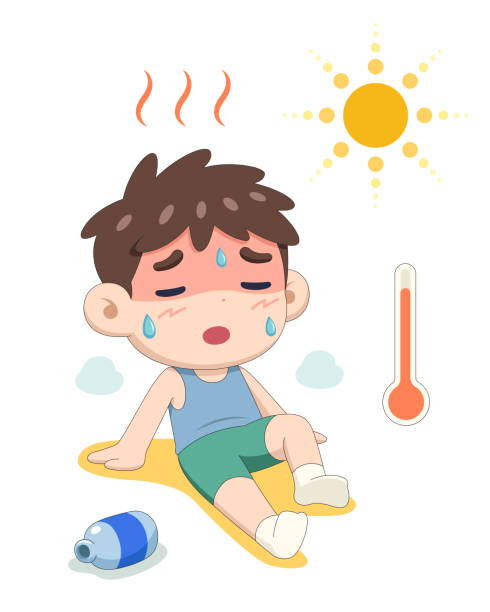
Heat stroke is a medical emergency caused by dangerous overheating and failure of the body’s temperature regulation system.
What Is Actually Happening in the Body
The body normally maintains a stable internal temperature through sweating, circulation changes, and heat release through the skin.
When environmental heat, physical exertion, dehydration, or humidity overwhelm these cooling systems, heat begins accumulating faster than the body can remove it.
Sweating may initially increase, but severe dehydration eventually reduces the body’s ability to cool itself effectively.
As core temperature rises, proteins and enzymes throughout the body begin malfunctioning.
Cells become damaged from heat stress, inflammation, and reduced blood flow to organs.
The brain is particularly sensitive to extreme temperatures, which is why confusion and neurological symptoms are common.
The heart works harder to circulate blood to the skin for cooling, increasing cardiovascular strain.
Muscle tissue may begin breaking down, releasing harmful substances into the bloodstream that can damage the kidneys.
Without rapid cooling and medical treatment, widespread organ failure may occur.
What This Usually Looks Like
Heat stroke often begins with heavy sweating, weakness, dizziness, nausea, headache, muscle cramps, and extreme fatigue.
As body temperature rises further, symptoms become more severe.
Confusion, irritability, difficulty walking, slurred speech, or altered behavior may develop.
Some individuals stop sweating entirely despite dangerous overheating, though sweating may still occur in exertional heat stroke.
Rapid heartbeat, fast breathing, vomiting, and severe weakness are common.
Skin may feel hot, flushed, or dry.
Severe cases may involve seizures, collapse, unconsciousness, or coma.
What People Commonly Misinterpret
Many people assume sweating means heat stroke is not occurring, but exertional heat stroke may still involve sweating.
Another misconception is believing only outdoor activity causes dangerous overheating. Heat stroke can occur indoors during heat waves, especially in poorly ventilated homes without air conditioning.
Early symptoms are often mistaken for simple dehydration, exhaustion, or fatigue despite progressing toward organ failure.
People also underestimate how quickly heat illness can worsen, especially in humid environments where sweat cannot evaporate efficiently.
Children and older adults may deteriorate more rapidly because their temperature regulation systems are less effective.
How This Progresses
Heat exhaustion may initially develop with heavy sweating and weakness.
Without cooling and hydration, body temperature continues rising.
As overheating worsens, the nervous system becomes impaired and mental status changes develop.
Inflammation and reduced circulation begin damaging organs throughout the body.
Kidney failure, liver injury, muscle breakdown, heart strain, and brain swelling may occur.
Seizures, loss of consciousness, and shock may develop in advanced cases.
The longer body temperature remains dangerously elevated, the greater the risk of permanent organ damage or death.
Rapid cooling dramatically improves survival and reduces long-term complications.
Risk Factors or Common Triggers
High environmental temperatures and humidity significantly increase risk.
Strenuous outdoor activity during hot weather is a major trigger.
Dehydration impairs the body’s cooling ability.
Older adults, infants, and individuals with heart disease, obesity, diabetes, or neurological disorders are more vulnerable.
Certain medications impair sweating or fluid balance.
Alcohol and stimulant use may increase susceptibility.
Lack of air conditioning during heat waves creates major risk, especially for medically fragile individuals.
When This Becomes More Serious
Heat stroke is already considered a medical emergency once neurological symptoms or severe overheating develop.
Confusion, collapse, seizures, or altered mental status indicate brain involvement.
Reduced urine output, chest pain, severe breathing difficulty, or profound weakness may signal organ failure.
Muscle breakdown and dehydration may rapidly damage the kidneys.
Cardiovascular collapse and shock may develop without rapid treatment.
Any severe heat-related illness should be treated aggressively because progression can occur very quickly.
When to Monitor vs When to Be Seen
Mild heat exhaustion with improving symptoms after cooling and hydration may sometimes be monitored carefully.
Medical evaluation is appropriate for persistent weakness, vomiting, dizziness, worsening symptoms, or inability to tolerate fluids.
Any neurological symptoms, abnormal behavior, or severe overheating require emergency evaluation immediately.
Individuals with chronic medical conditions should seek earlier evaluation because complications may escalate more rapidly.
When to Go to the Emergency Room
Emergency care is necessary for confusion, collapse, seizures, loss of consciousness, severe weakness, chest pain, or difficulty breathing.
Body temperature above 104°F with neurological symptoms strongly suggests heat stroke and requires immediate emergency treatment.
Call 911 immediately while beginning cooling measures if heat stroke is suspected.
Move the individual to a cooler environment, remove excess clothing, and apply cooling measures while awaiting emergency responders.