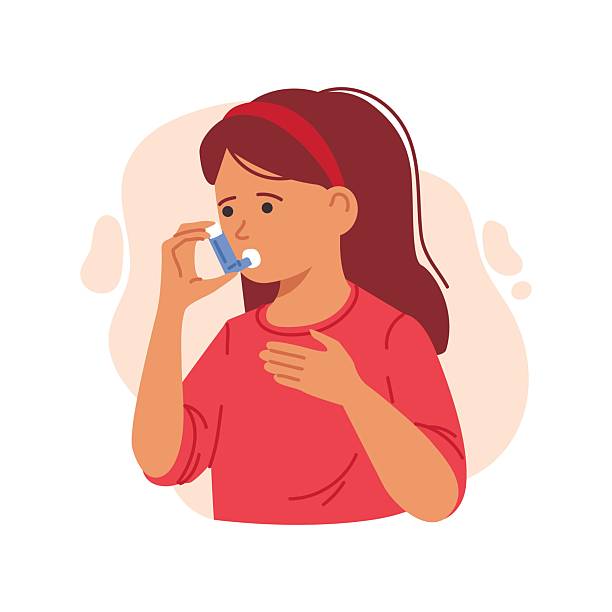
Asthma is a chronic respiratory condition involving inflammation and narrowing of the airways inside the lungs.
What Is Actually Happening in the Body
The lungs contain branching airways called bronchi and bronchioles that carry air in and out during breathing.
In asthma, these airways become chronically inflamed and overly reactive to triggers.
When exposed to allergens, infections, smoke, exercise, cold air, or other irritants, the airway lining swells.
At the same time, muscles surrounding the airways tighten in a process called bronchospasm.
Mucus production also increases inside the narrowed airways.
Together, swelling, muscle tightening, and mucus buildup restrict airflow and make breathing more difficult.
Air becomes trapped inside the lungs, especially during exhalation.
This creates the sensation of chest tightness, wheezing, coughing, or shortness of breath.
Repeated uncontrolled inflammation over time may permanently remodel airway tissue and worsen lung function.
What This Usually Looks Like
Asthma symptoms commonly include wheezing, coughing, chest tightness, and shortness of breath.
Symptoms may worsen at night, during exercise, or after exposure to triggers such as smoke, pollen, dust, strong odors, or respiratory infections.
Some individuals mainly experience persistent dry cough rather than obvious wheezing.
Breathing may feel tight or restricted, especially during exhalation.
Children may appear fatigued during play, cough frequently at night, or struggle to keep up physically with peers.
During more severe attacks, rapid breathing, difficulty speaking, visible chest retractions, or severe exhaustion may develop.
Symptoms often fluctuate over time and may improve between flare-ups.
What People Commonly Misinterpret
Many people assume asthma only exists if wheezing is present, but some individuals mainly experience coughing or chest tightness.
Another misconception is believing symptoms are only serious during major attacks. Chronic low-grade inflammation may continue damaging airways even between flare-ups.
Shortness of breath is sometimes blamed on poor fitness, anxiety, or allergies despite underlying airway disease.
People also frequently overuse rescue inhalers without addressing uncontrolled inflammation, masking worsening disease progression.
Children may not clearly describe breathing difficulty and instead complain of chest discomfort, stomach pain, or fatigue.
How This Progresses
Mild asthma symptoms may initially occur only during exercise, illness, or allergy exposure.
Without proper control, inflammation may become more persistent and flare-ups more frequent.
Airway sensitivity may increase over time, making triggers more difficult to tolerate.
Severe asthma attacks may cause dangerously restricted airflow and low oxygen levels.
Repeated uncontrolled inflammation may contribute to long-term airway remodeling and chronic lung function decline.
Frequent emergency visits, nighttime symptoms, or increasing rescue inhaler use suggest worsening control.
With appropriate treatment and trigger management, many individuals maintain good long-term symptom control and normal activity levels.
Risk Factors or Common Triggers
Family history of asthma or allergies increases risk.
Environmental allergens such as pollen, dust mites, mold, pet dander, and cockroach exposure commonly trigger symptoms.
Respiratory infections frequently worsen asthma.
Smoke exposure, vaping, pollution, strong odors, cold air, and exercise may provoke flare-ups.
Obesity, chronic sinus disease, acid reflux, and occupational chemical exposure may also worsen symptoms.
Stress and anxiety may intensify breathing symptoms in some individuals.
When This Becomes More Serious
Asthma becomes more concerning when symptoms become more frequent, severe, or difficult to control.
Worsening shortness of breath, nighttime awakening, chest tightness, or increasing inhaler use suggest poor airway control.
Severe attacks may rapidly impair oxygen delivery and become life-threatening.
Inability to speak full sentences, visible rib retractions, blue lips, confusion, or exhaustion indicate dangerous respiratory distress.
A “silent chest” with little air movement despite severe breathing effort may signal critical airway obstruction.
Any rapidly worsening breathing symptoms require immediate medical attention.
When to Monitor vs When to Be Seen
Mild intermittent symptoms may improve with trigger avoidance and prescribed inhaler therapy.
Medical evaluation is appropriate for frequent coughing, wheezing, exercise intolerance, nighttime symptoms, or worsening respiratory control.
Evaluation may include lung function testing, allergy assessment, and medication adjustment.
Individuals requiring frequent rescue inhaler use should be reassessed because this often indicates uncontrolled inflammation.
Children with recurrent coughing or breathing problems should receive evaluation rather than assuming symptoms are solely from recurrent colds.
When to Go to the Emergency Room
Emergency care is necessary for severe shortness of breath, inability to speak normally, blue lips, confusion, or worsening breathing distress.
Rapid breathing, severe wheezing, chest retractions, or minimal air movement require immediate emergency treatment.
Symptoms not improving with rescue inhalers should be treated as a medical emergency.
Call 911 immediately for severe asthma attacks involving significant breathing difficulty or altered mental status.