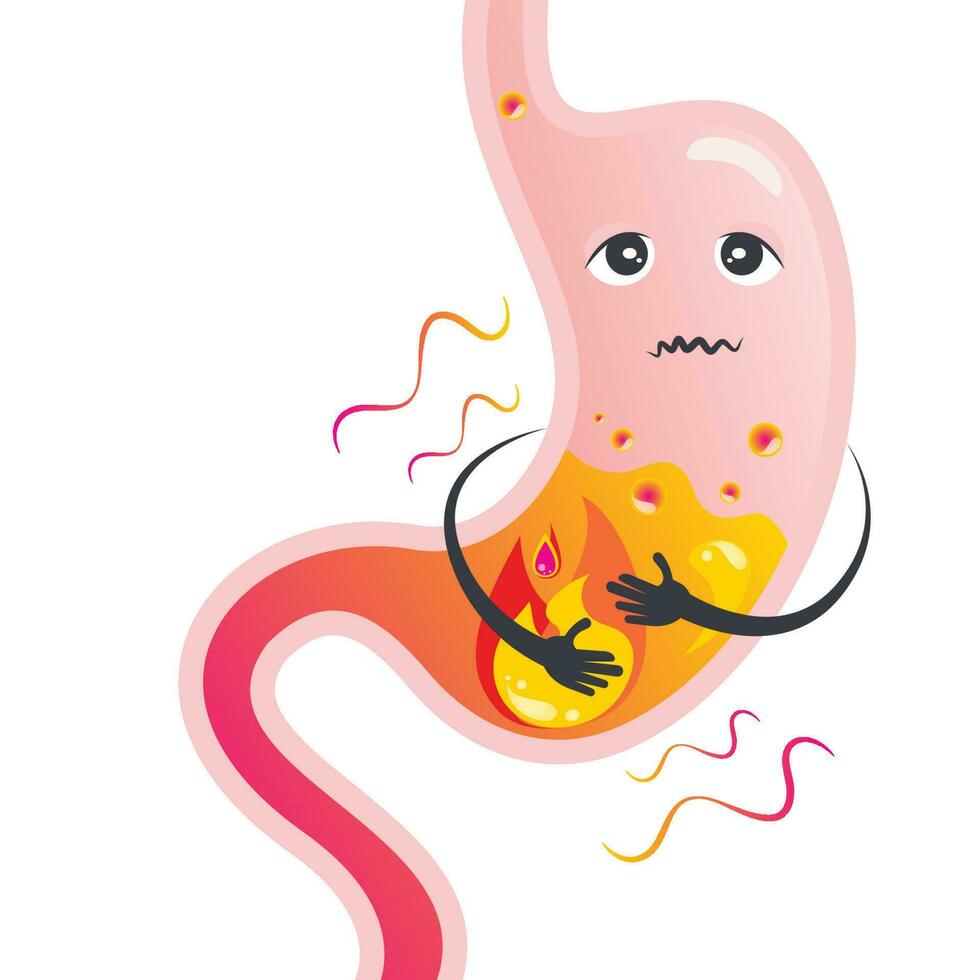
Acid reflux occurs when stomach acid and digestive contents move upward into the esophagus instead of remaining contained within the stomach.
What Is Actually Happening in the Body
A muscular valve called the lower esophageal sphincter normally separates the esophagus from the stomach.
This valve opens briefly to allow food into the stomach and then closes tightly to prevent stomach contents from moving backward.
Acid reflux develops when the valve weakens, relaxes inappropriately, or becomes overwhelmed by increased stomach pressure.
As acid flows upward, the esophageal lining becomes irritated because it lacks the stomach’s protective defenses against acid exposure.
Repeated irritation triggers inflammation, burning pain, and tissue sensitivity.
Some reflux episodes may reach the throat, voice box, or even airways, causing coughing, hoarseness, throat clearing, or asthma-like symptoms.
Long-term inflammation can gradually damage the esophagus and increase the risk of ulcers, narrowing, or precancerous tissue changes.
What This Usually Looks Like
Heartburn is one of the most common symptoms and often feels like burning discomfort rising through the chest after eating.
Some individuals experience sour or bitter fluid rising into the throat or mouth.
Symptoms frequently worsen after large meals, lying down, bending over, or eating late at night.
Chronic cough, throat irritation, hoarseness, bad breath, or sensation of a lump in the throat may also occur.
Nighttime reflux can disrupt sleep and sometimes cause choking sensations or coughing while lying flat.
Chest discomfort from reflux may sometimes mimic heart-related pain.
Some individuals experience bloating, burping, nausea, or upper abdominal discomfort as well.
What People Commonly Misinterpret
Many people assume reflux always causes dramatic heartburn, but silent reflux may mainly affect the throat and airways.
Another misconception is believing reflux is harmless if symptoms improve temporarily with over-the-counter medication.
Persistent reflux can damage the esophagus even when symptoms fluctuate.
Chest pain from reflux is also sometimes difficult to distinguish from cardiac chest pain without proper evaluation.
People often underestimate how strongly obesity, smoking, alcohol, large meals, and late-night eating contribute to reflux severity.
Chronic cough or hoarseness may be treated repeatedly as allergies or respiratory illness when reflux is the underlying trigger.
How This Progresses
Mild intermittent reflux may improve with dietary changes and lifestyle modification.
However, repeated acid exposure can progressively inflame and damage the esophagus over time.
Inflammation may lead to erosive esophagitis, ulcers, or scar tissue narrowing the esophagus and causing swallowing difficulty.
Long-term reflux may also contribute to Barrett’s esophagus, a condition involving abnormal tissue changes associated with increased cancer risk.
Nighttime reflux can worsen sleep quality and contribute to chronic cough or airway irritation.
Symptoms may become more frequent and severe if underlying contributing factors remain unaddressed.
Risk Factors or Common Triggers
Large meals, fatty foods, alcohol, caffeine, chocolate, peppermint, and spicy foods commonly worsen reflux symptoms.
Obesity increases abdominal pressure and promotes acid movement upward into the esophagus.
Pregnancy frequently contributes because hormonal and pressure changes affect the lower esophageal sphincter.
Smoking weakens the protective valve and impairs tissue healing.
Hiatal hernias may also increase reflux risk by altering stomach positioning.
Certain medications including anti-inflammatory drugs, some blood pressure medications, and sedatives may worsen symptoms.
When This Becomes More Serious
Acid reflux becomes more concerning when symptoms occur frequently, disrupt sleep, or interfere with eating and swallowing.
Difficulty swallowing, painful swallowing, vomiting blood, black stools, or unexplained weight loss may indicate more severe esophageal injury or bleeding.
Chest pain should never automatically be assumed to be reflux because heart disease can present similarly.
Chronic reflux affecting the throat and lungs may worsen asthma, chronic cough, or recurrent pneumonia risk.
Persistent hoarseness or throat symptoms warrant evaluation if ongoing.
When to Monitor vs When to Be Seen
Occasional mild reflux may improve with smaller meals, avoiding trigger foods, weight management, and not lying down immediately after eating.
Medical evaluation is appropriate for frequent symptoms, nighttime reflux, persistent cough, swallowing difficulty, or symptoms not improving with routine treatment.
Evaluation may include medication review, imaging, endoscopy, or testing for complications depending on symptom patterns.
Individuals requiring frequent over-the-counter acid medication should also discuss symptoms with a healthcare provider.
Persistent symptoms should not simply be self-treated indefinitely without evaluation.
When to Go to the Emergency Room
Emergency care is necessary for chest pain associated with shortness of breath, sweating, dizziness, or radiation into the arm or jaw because heart-related emergencies must be ruled out.
Vomiting blood, black stools, severe swallowing difficulty, or inability to keep food down require urgent evaluation.
Severe breathing difficulty, choking episodes, or sudden severe chest pain should receive immediate medical attention.
Any concern for heart attack symptoms should prompt calling 911 immediately rather than assuming symptoms are only reflux-related.